The Grandmaster’s story

A boy from Moscow. A tournament that changed a country for him. A title. A classroom. This is how Grandmaster Chess Academy was forged.

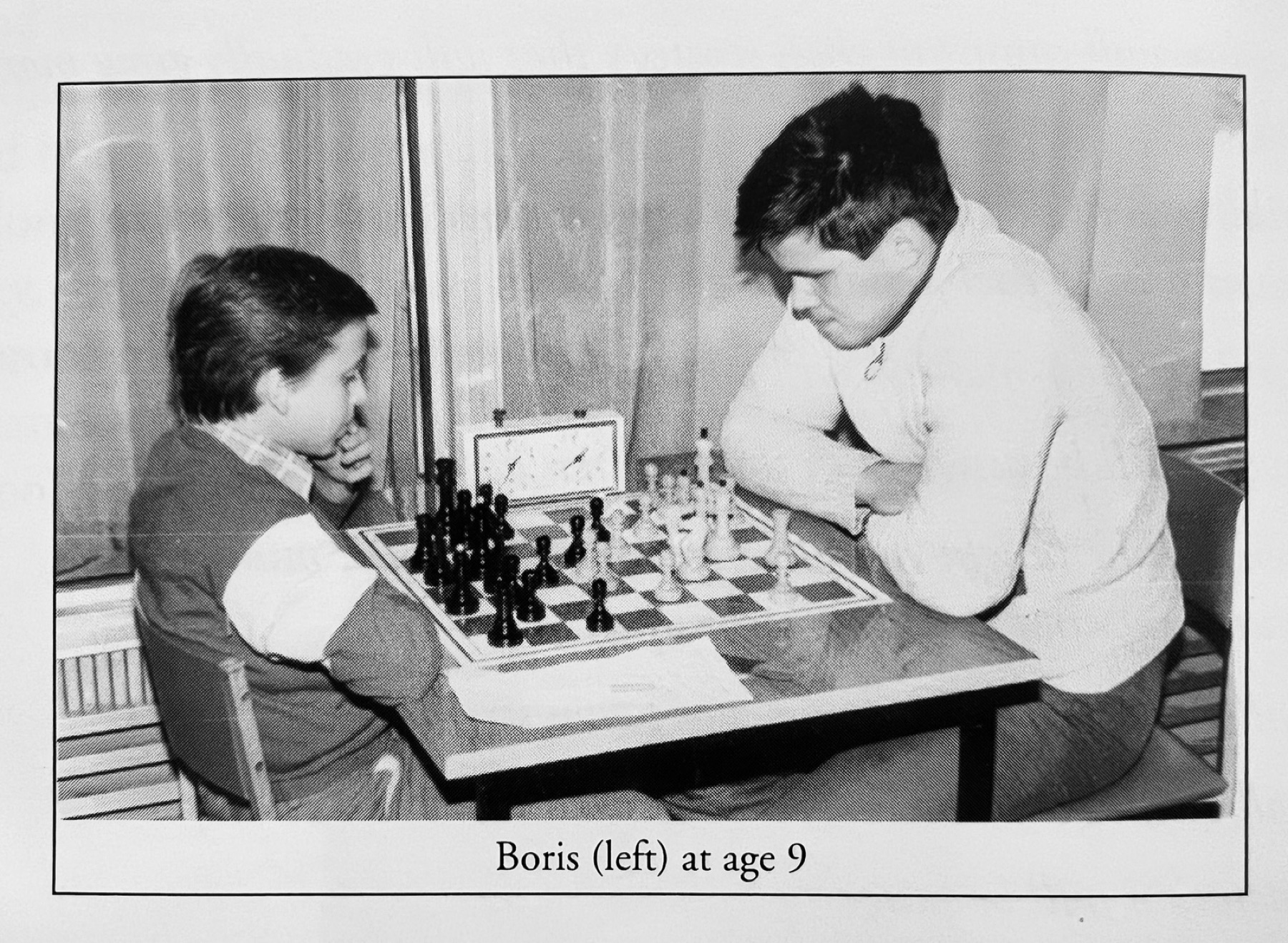
Nine-year-old Boris Kreiman deep in concentration at the Moscow Open
Moscow Open, age nine — already playing like the clock owns the room

Act I — The boy who wouldn’t look away

Moscow, 1976. Boris Kreiman enters a world that still measured greatness in silent rooms and ticking clocks. By five or six he is inside the Russian School of Chess — the same pipeline that minted legends. Pieces become language. Silence becomes oxygen.

At twelve he is already a Master. In 1988 he takes the Moscow Under-12 Championship. Look at the photograph: a child with a grandmaster’s stillness. No smile for the camera. Only the board. Only the next move.
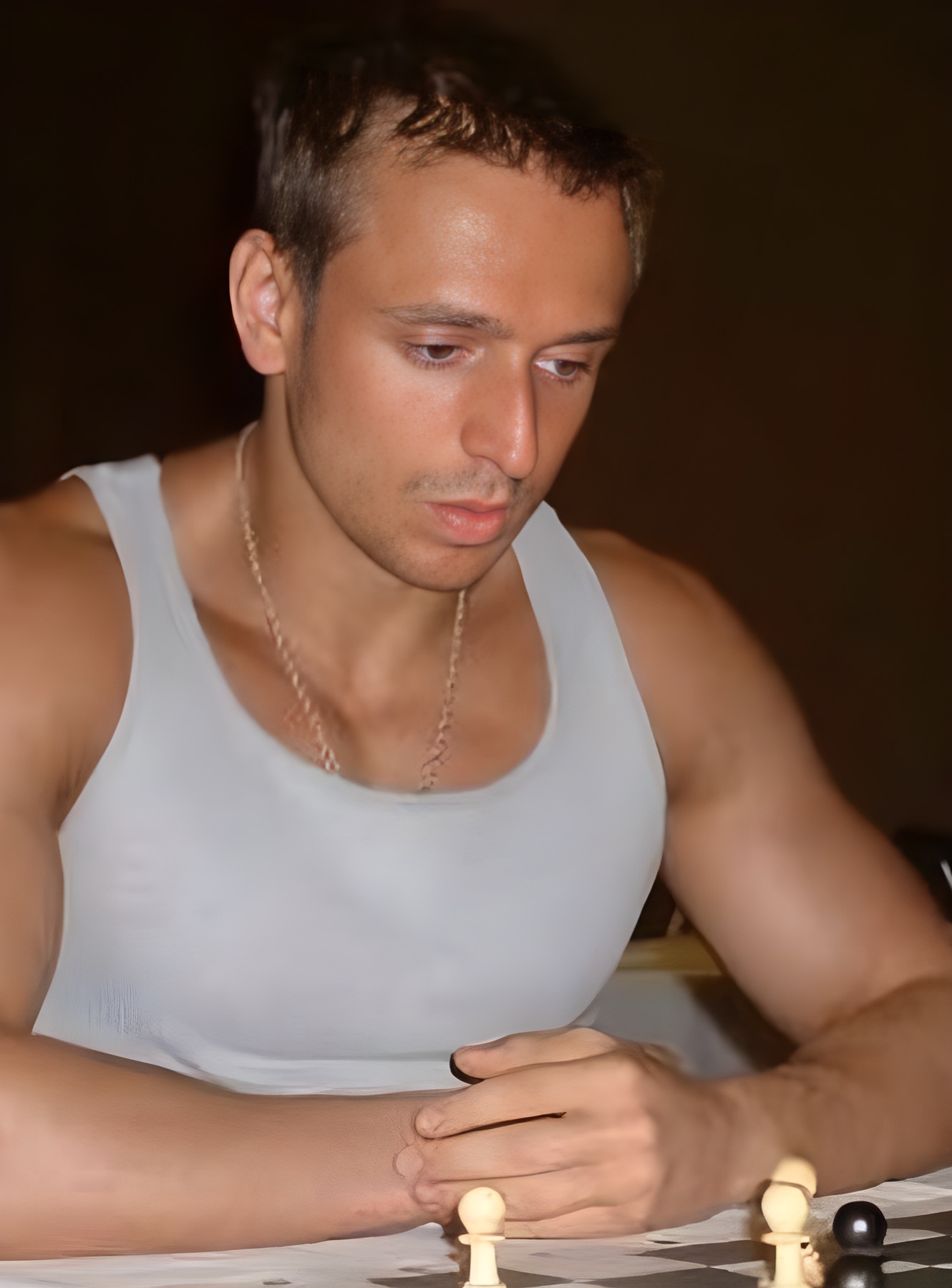
Young Boris Kreiman studying a position with intense focus
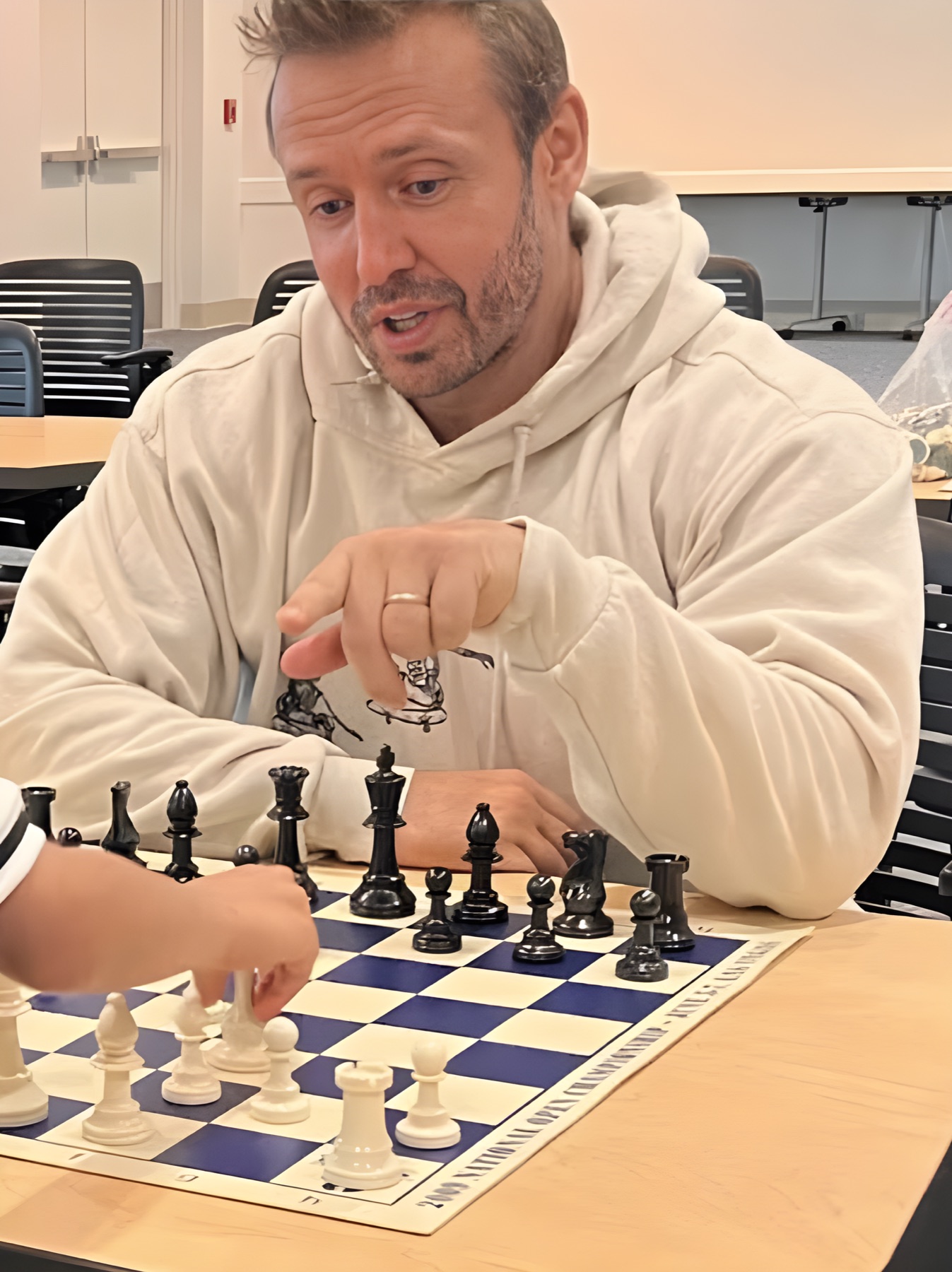
The competitive years — mind and body trained for the long game

Act II — Nineteen eighty-nine

He does not come to America as a tourist. He comes for a tournament — and the board tells the truth louder than any visa form. In 1989, the United States recognizes what the chess world can already see: extraordinary ability.

He is granted permanent residency through the EB-1A Extraordinary Ability category — the first-preference green card the public still calls the Einstein visa. Not a rumor. Not “someday.” Immediate recognition for talent at the top of a field.

Brighton Beach. Brooklyn. Age thirteen. Training with Gata Kamsky — once among the highest-rated players alive — then Alex Yermolinsky. Soviet steel. American fire. A new country. Same obsession.

1989: the plane lands for a tournament. The visa says he can stay. The rest of the story is written in wins.

Act III — Brooklyn makes headlines

A junior who walks into rooms full of grandmasters — and doesn’t flinch

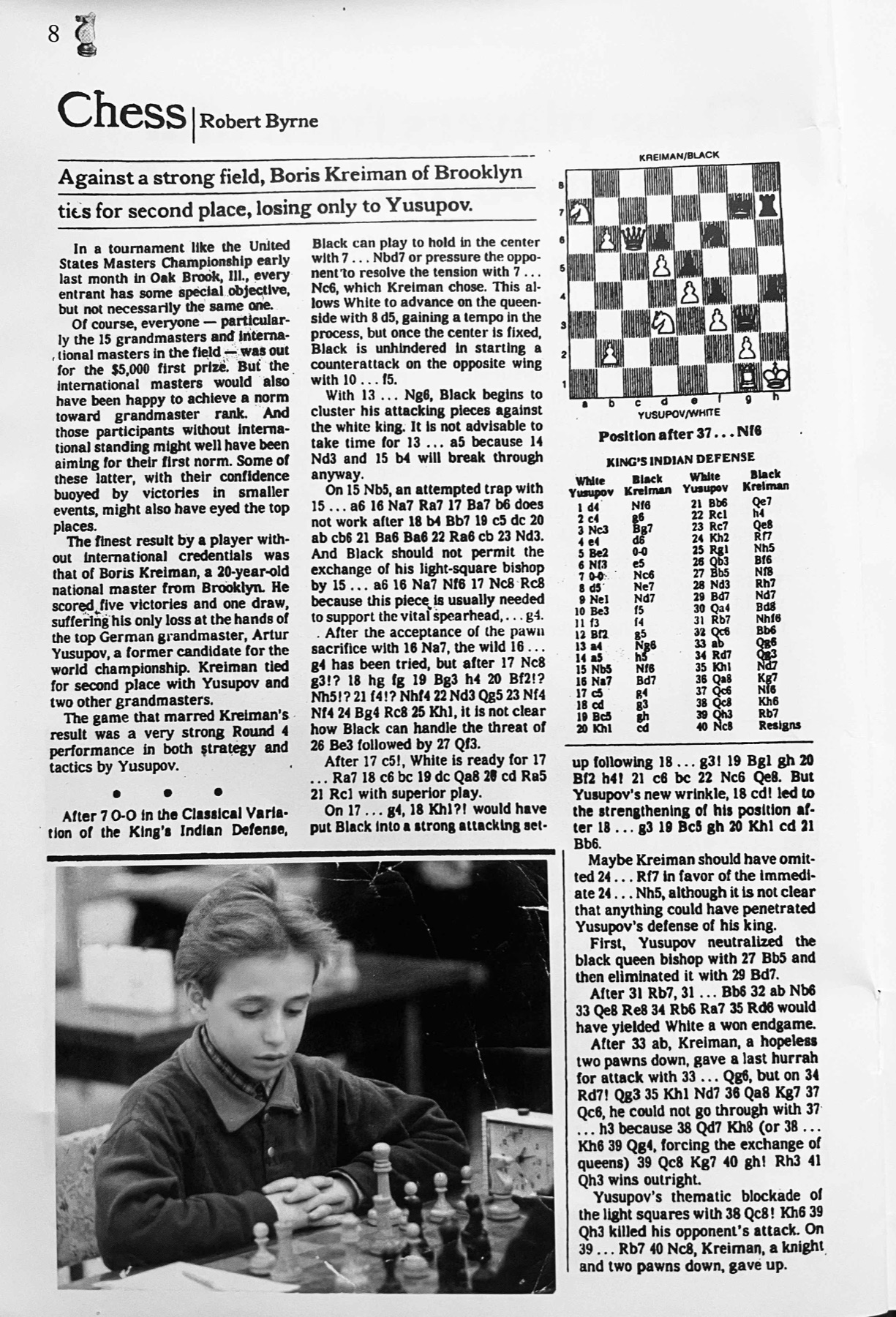
New York Times Chess column by Robert Byrne featuring Boris Kreiman
The New York Times Chess column — Kreiman ties for second at the U.S. Masters
Grandmaster Boris Kreiman teaching a young student at the board
Passing it on — the same intensity, a new generation

Robert Byrne puts him in The New York Times: United States Masters Championship, Oak Brook. Fifteen titled players. A National Master from Brooklyn ties for second — five wins, one draw, one loss to Artur Yusupov, a former world championship candidate. Byrne calls it the finest result by a player without international credentials.

U.S. Junior Champion, 1993. Again, 1996. World Junior Championships in the American jersey. By April 1997 he is the highest-rated junior in the United States at 2607 — a number that sits above more than a dozen U.S. Grandmasters while the title chase is still unfinished.

Manhattan Chess Club. Philadelphia Open. U.S. Masters. The city learns his name the way chess cities always do: one impossible result at a time.

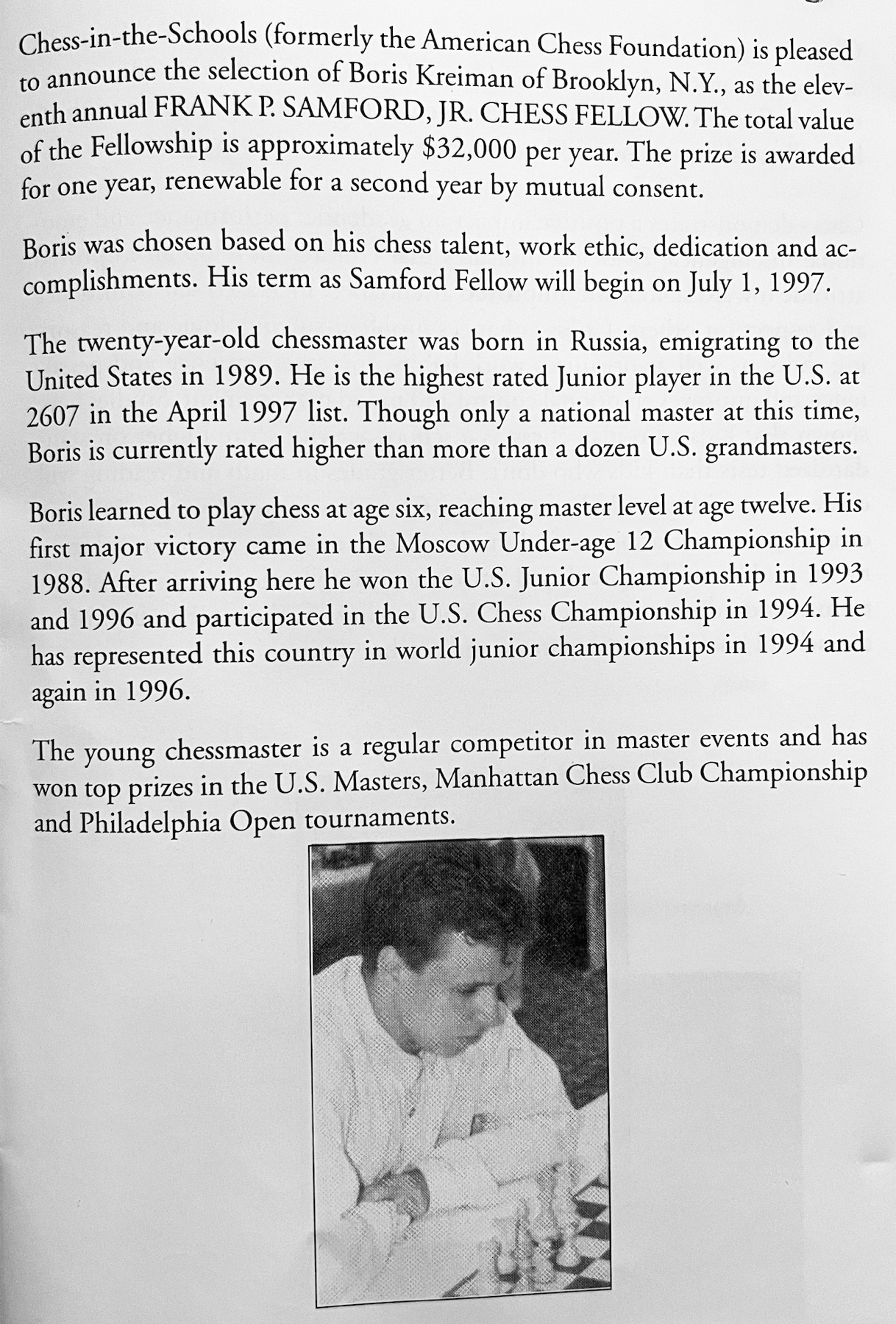
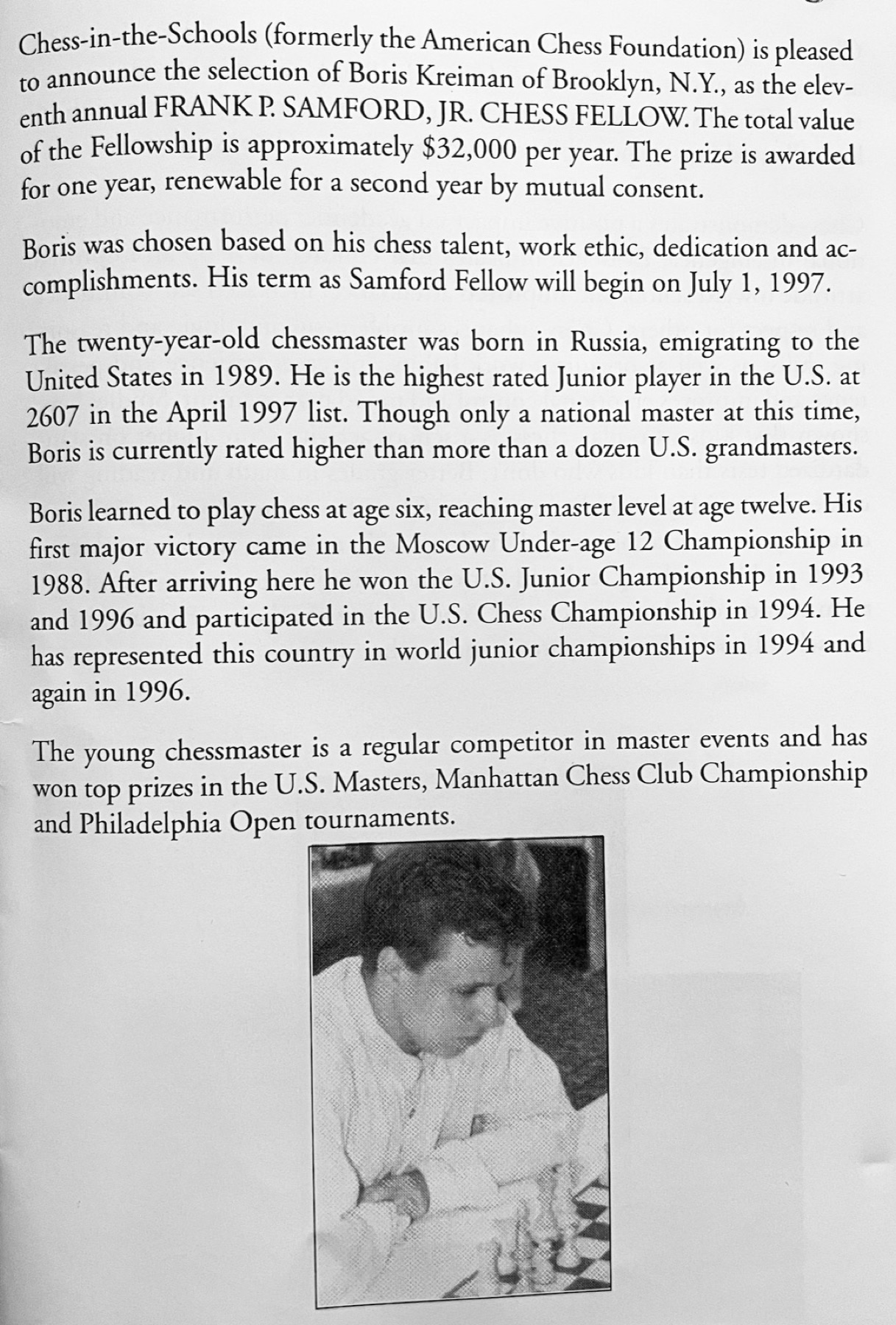
Printed announcement naming Boris Kreiman the Frank P. Samford Jr. Chess Fellow
Frank P. Samford, Jr. Chess Fellow announcement — Chess-in-the-Schools, 1997

Act IV — The Samford

1997. Chess-in-the-Schools names him the eleventh annual Frank P. Samford, Jr. Chess Fellow — roughly thirty-two thousand dollars a year, renewable, reserved for the rare American talent who can carry the future of the game.

The fellowship buys time. Time becomes strength. Peak FIDE rating: 2515. Third place at the 2002 U.S. Championship in Seattle. The Grandmaster title in 2004. More than twenty international tournament victories. Three U.S. Championships. Three World Juniors. A career that could have ended as a highlight reel.

Instead, it turns toward the next generation.

Portrait of Boris Kreiman as Samford Chess Fellow
Samford Fellow portrait — the face of American junior excellence
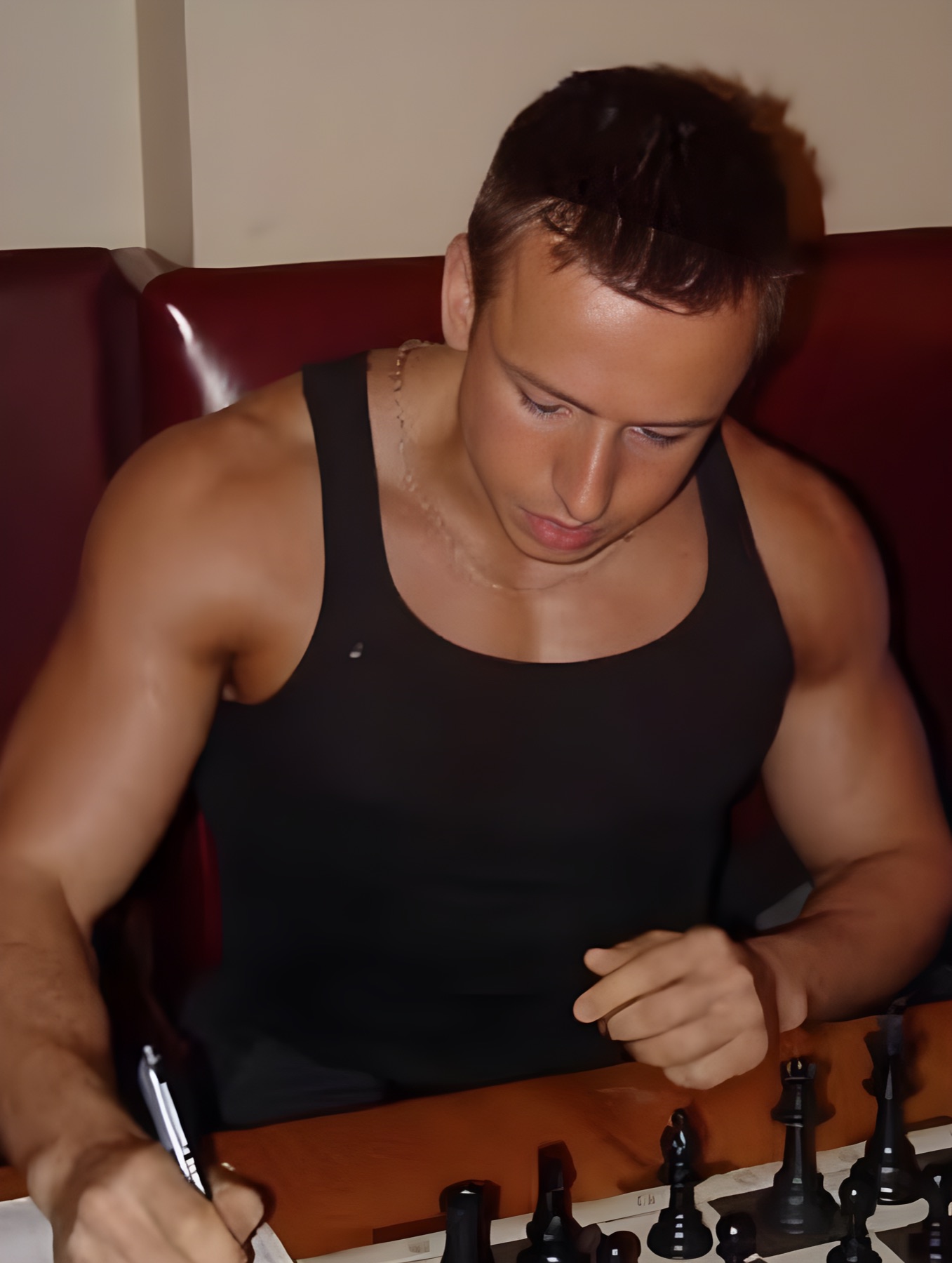
Boris Kreiman recording moves at the chessboard
At the board — recording the fight, move by move
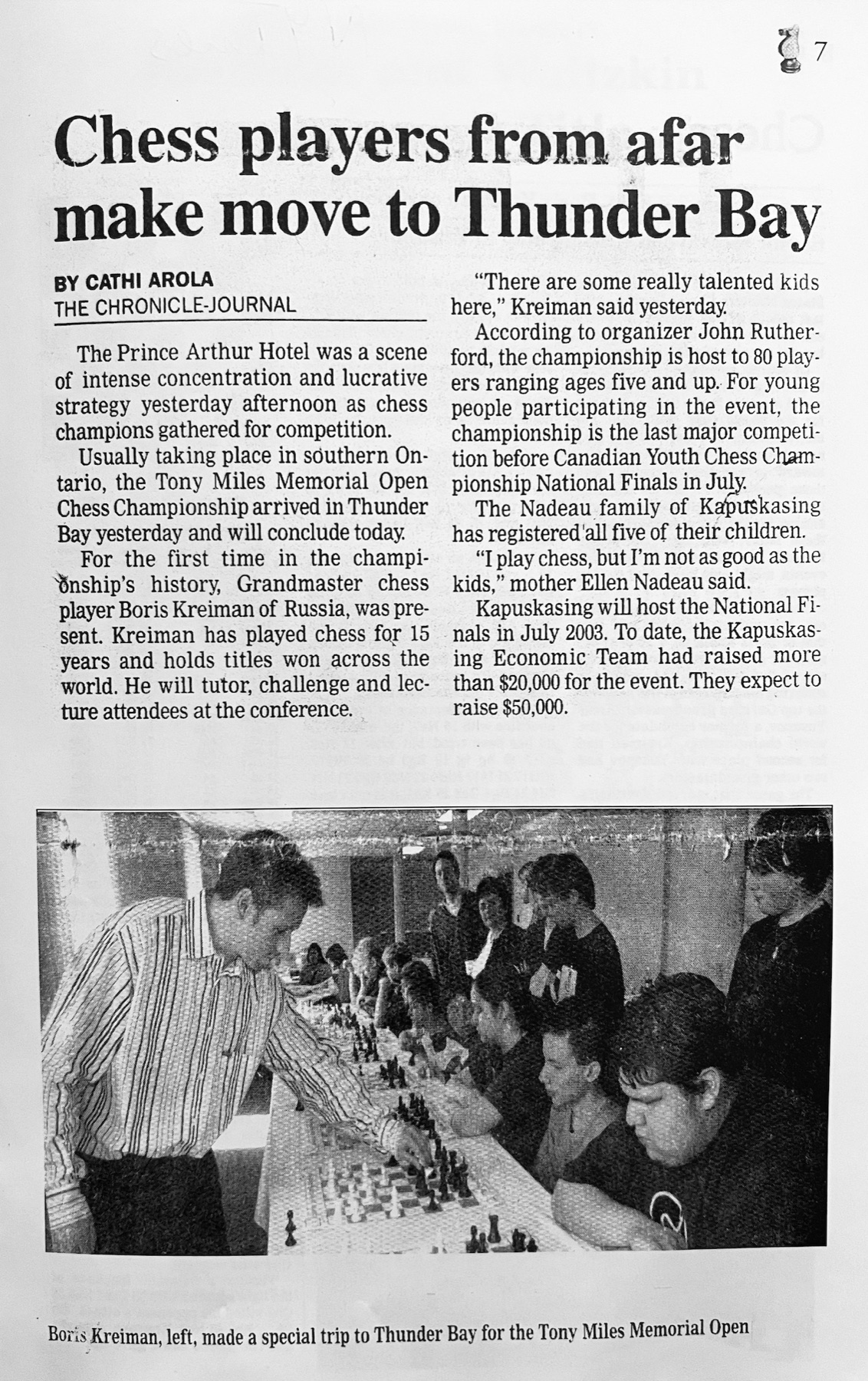
Boris Kreiman conducting a large simultaneous exhibition in Thunder Bay
Thunder Bay simul — one Grandmaster, a hall of opponents waiting for his next step

Act V — He chooses the classroom

Titles are loud. Teaching is quieter — and harder. Kreiman steps back from the endless tournament circuit to build what the game gave him: a path.

He founds a chess academy to put competitive programs into schools and communities. Instructors learn his methods. Students Joel Banawa and Joaquin “Jake” Banawa become national champions and earn fifty-thousand-dollar scholarships to the University of Texas at Dallas. Simuls light up rooms from Thunder Bay to school auditoriums — a Grandmaster walking aisle to aisle, turning strangers into students in a single afternoon.

That mission is now Grandmaster Chess Academy: after-school clubs, private and group lessons, school days, and exhibitions. The same fire. A wider board.

Home front

Five beautiful, gifted kids — and a Grandmaster who teaches the next generation

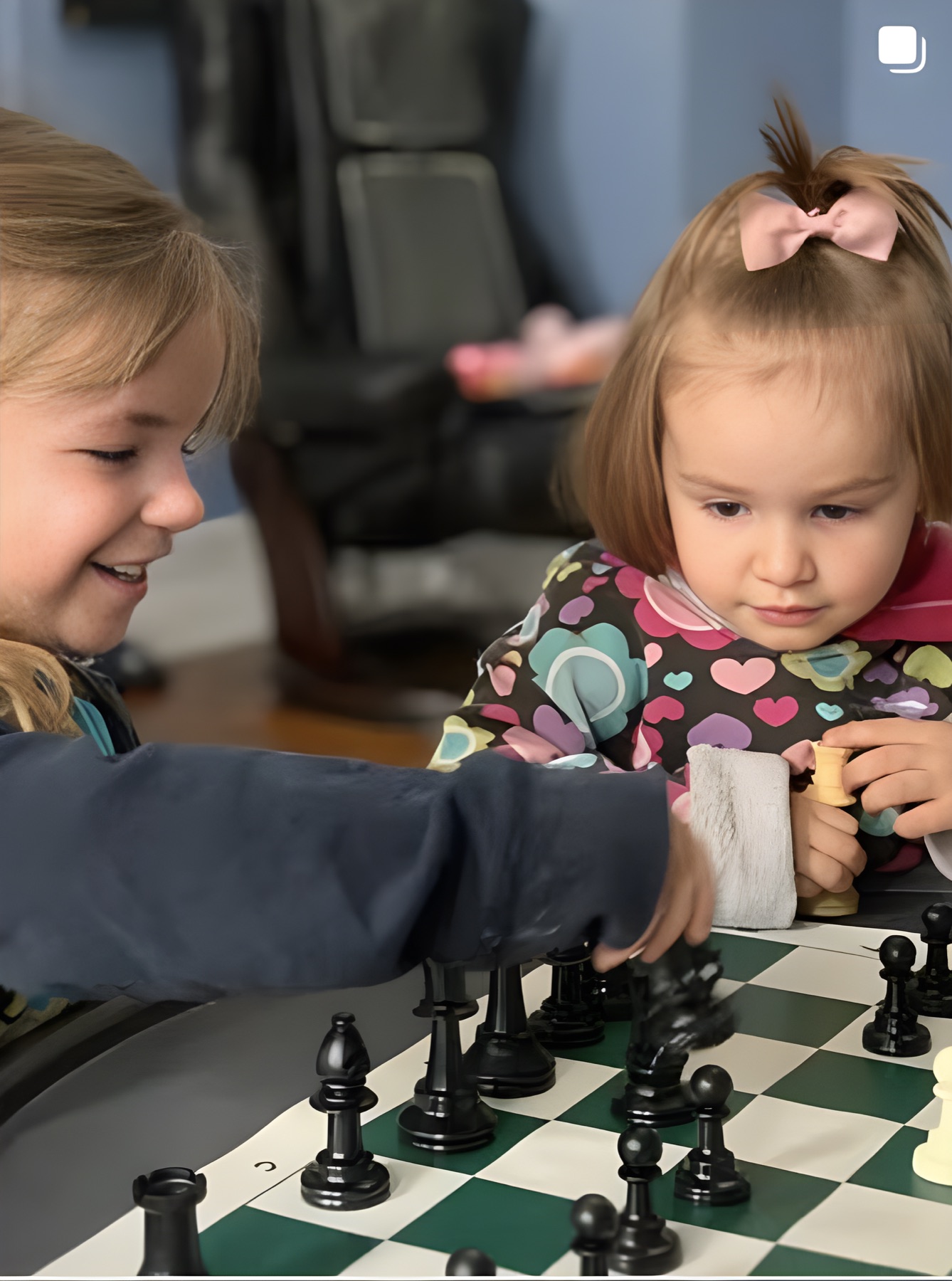
Children focused on a chess game
Family energy — focus and fire at the board
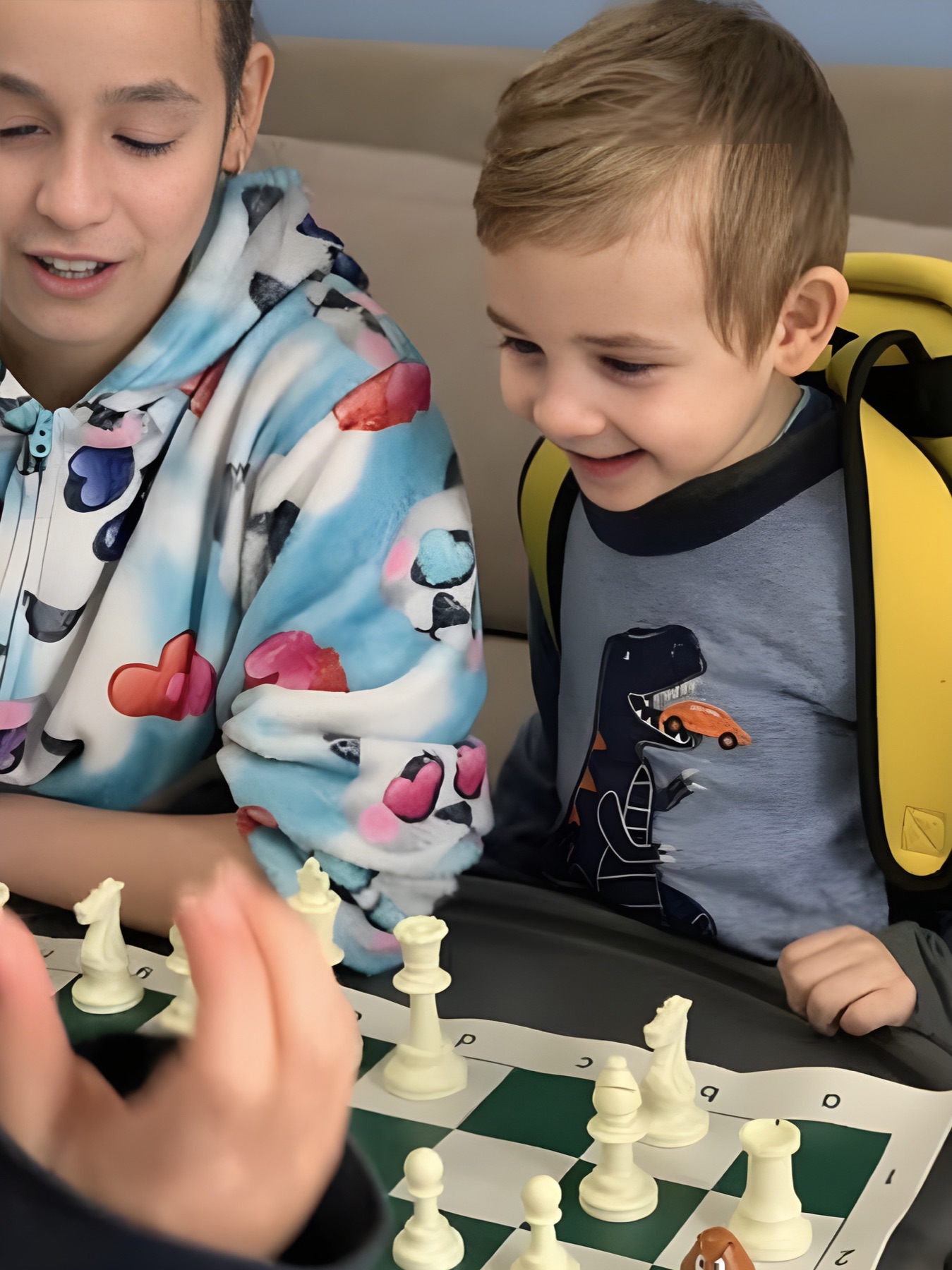
Kids smiling together over a chessboard
Joy on the board — gifted minds, happy hearts

Off the tournament circuit, Boris is a father of five beautiful, gifted kids. The same patience he brings to a student’s first opening — he brings home. Chess is not only a career. It is a language the family speaks together: curiosity, grit, and the courage to think one move deeper.

That is why Grandmaster Chess Academy feels personal. He is not only training champions. He is raising thinkers — starting with his own.

Buy Lessons Programs